← Back to projects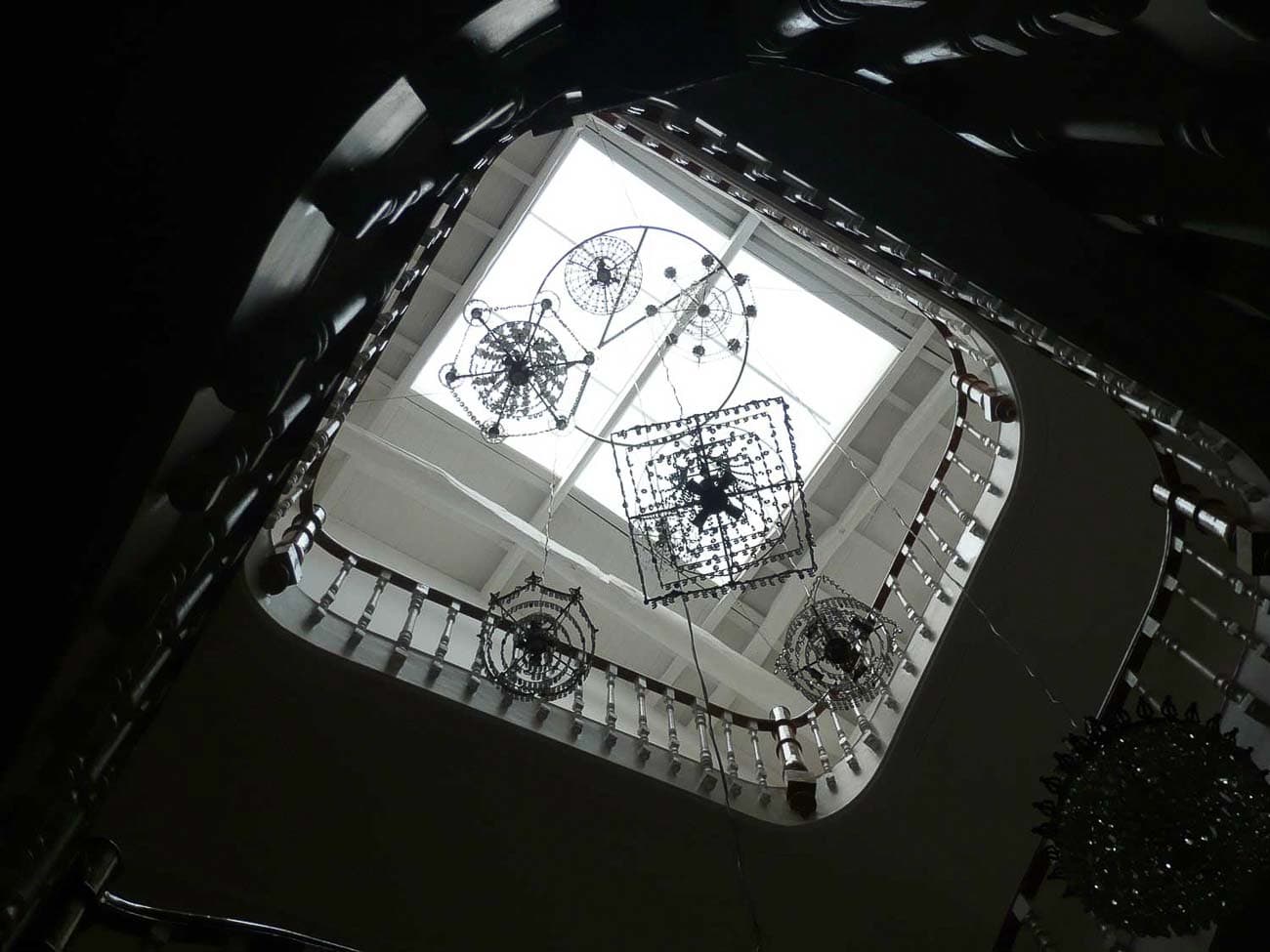
Renovation & RepurposeResidentialProject & Construction
Rehabilitation and Conversion into Apartments — Martires da Liberdade
<h2 class="scroll-m-20 text-xl font-semibold tracking-tight first:mt-0">Memory as a starting point</h2><p class="leading-7 [&:not(:first-child)]:mt-6">The building, vacant and deeply degraded, still retained the features that defined its original character: the generous proportions of the rooms, the precision of the carpentry, the decorative stuccos, and the elegance of the tall windows.<br>These pre-existing elements became a guide for the new intervention — an exercise in <strong>interpretation and continuity</strong>, where the spatial hierarchy of the old house guided the layout of the new apartments.</p><p class="leading-7 [&:not(:first-child)]:mt-6"></p><h2 class="scroll-m-20 text-xl font-semibold tracking-tight first:mt-0">The project</h2><p class="leading-7 [&:not(:first-child)]:mt-6">The ensemble is organized into <strong>seven T1 apartments and two T0</strong>, distributed across the four floors of the building.<br>The <strong>first floor</strong>, once the noble floor, was transformed into a spacious <strong>"open space" loft</strong>, preserving the scale and brightness that characterized it.<br>On the upper floors, of more contained dimensions, <strong>intimate apartments</strong> were born, where comfort and natural light define the domestic atmosphere.<br>All floors and the roof were completely renovated, ensuring the thermal and acoustic performance required for contemporary living.</p><p class="leading-7 [&:not(:first-child)]:mt-6"></p><h2 class="scroll-m-20 text-xl font-semibold tracking-tight first:mt-0">Light, detail, and authenticity</h2><p class="leading-7 [&:not(:first-child)]:mt-6">The <strong>central staircase</strong>, a structuring element of the house and a symbol of its former social organization, was fully restored and enhanced through a vertical lighting installation, which reinforces the spatial perception of the void.<br><strong>Period details</strong> were preserved and reinterpreted, reintroduced whenever symbolic coherence and the expression of the space demanded it.<br>The <strong>"loggia" on the main facade</strong>, recovered in its entirety, returns to the apartments the enjoyment of the outdoors and the visual relationship with the city.</p><p class="leading-7 [&:not(:first-child)]:mt-6"></p><h2 class="scroll-m-20 text-xl font-semibold tracking-tight first:mt-0">Enhancing the existing</h2><p class="leading-7 [&:not(:first-child)]:mt-6">The <strong>rear facade</strong> was upgraded, freeing it from precarious additions and recovering the original reading of the building.<br>The project also stood out for its construction precision and technical coordination, which allowed <strong>compatibility between historical authenticity and contemporary functionality</strong>, giving coherence and meaning to each space.</p><p class="leading-7 [&:not(:first-child)]:mt-6"></p><h2 class="scroll-m-20 text-xl font-semibold tracking-tight first:mt-0">Summary</h2><p class="leading-7 [&:not(:first-child)]:mt-6">Beyond a rehabilitation, the project of the <strong>Apartments in Mártires da Liberdade</strong> is an exercise in balancing <strong>memory and contemporaneity</strong>, where architecture rescues the building's history and translates it into a new way of living — elegant, sustainable, and urban. It is a reflection on how heritage can be reused.<br></p>